
For those who wish to have a child but experience difficulty becoming pregnant, doctors may recommend methods to stimulate ovulation and increase the chances of success. One commonly used method is ovarian stimulation injections, which help the body produce mature eggs that are ready for fertilisation.
This method differs from taking oral ovulation stimulation medication because it allows for more precise control, particularly in ovarian stimulation injection programmes that must be administered appropriately and closely monitored by a doctor to ensure that treatment progresses smoothly and without unnecessary concern.
What Are Ovarian Stimulation Injections?
Ovarian stimulation injections are a treatment that uses synthetic hormones such as Follicle Stimulating Hormone (FSH) and Luteinizing Hormone (LH) to stimulate the ovaries to produce multiple eggs at the same time, rather than releasing only one egg during a natural menstrual cycle. The purpose is to increase the chances of fertilisation, particularly for those experiencing infertility or preparing to undergo In Vitro Fertilisation (IVF) or ICSI.
This method differs from oral ovulation stimulation medication because the injections act directly on the ovaries, allowing the growth of the eggs to be controlled more precisely. Treatment usually begins on Day 2–3 of the menstrual cycle and requires close monitoring with ultrasound examinations. Once the eggs have grown to an appropriate size, the doctor will schedule another hormone injection to trigger ovulation before egg retrieval.
Ovulation trigger injections are an important step in the IVF process because they help obtain a greater number of good-quality eggs and reduce the risk of requiring multiple egg retrieval procedures. Therefore, this method is recommended by doctors for those who wish to maximise their chances of pregnancy.
Ovarian Stimulation Injections vs. Oral Ovulation Medication: Which Is Better?
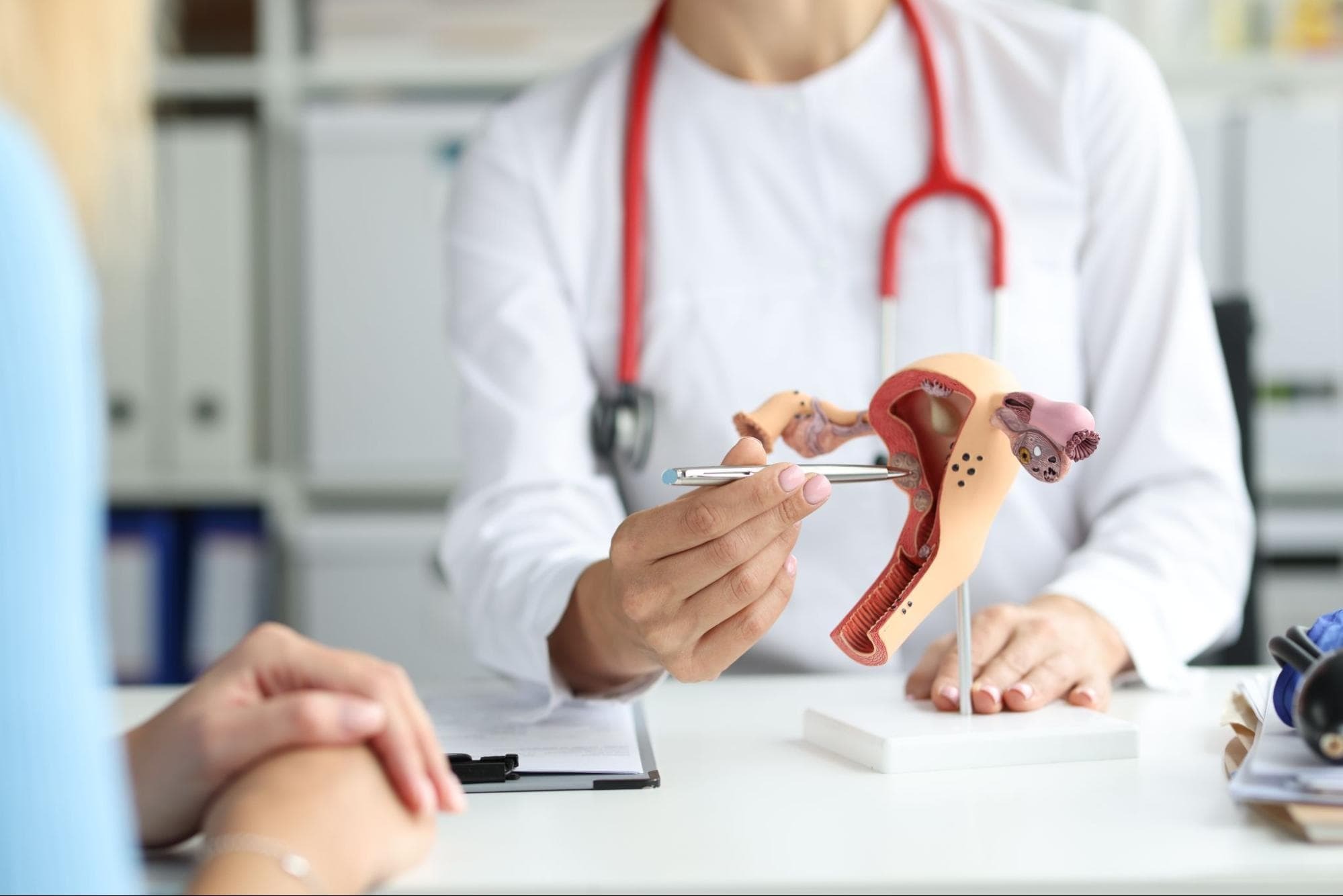
Ovarian stimulation can be performed in two ways: ovarian stimulation injections and oral ovulation stimulation medication. Both methods have the same purpose—to help eggs grow and ovulate at the appropriate time in order to increase the chances of pregnancy.
For oral medication, treatment usually begins early in the menstrual cycle and is taken continuously for approximately 5 days. It is suitable for those who occasionally experience anovulation or abnormal ovulation. The advantages of oral ovulation stimulation medication are that it is easy to use, convenient, and affordable. However, some individuals may not respond to the medication and may need to switch to another method, particularly those preparing to undergo IVF treatment.
Ovarian stimulation injections are more suitable for those who require precise control over the number and quality of eggs, such as individuals undergoing ICSI or those who have not responded to oral ovulation stimulation medication. The injections contain the hormones FSH and LH, which act directly on the ovaries and help the eggs grow according to the treatment plan determined by the doctor.
The advantages of ovarian stimulation injections are better control and an increased chance of successful fertilisation. However, the injections must be administered every day and closely monitored with ultrasound examinations to prevent complications such as Ovarian Hyperstimulation Syndrome (OHSS). Therefore, the most appropriate method should be selected based on the individual's physical condition, budget, and direct recommendation from the doctor.
How to Prepare Before Ovarian Stimulation Injections
Before receiving ovarian stimulation injections, proper preparation is important to help make the stimulation process effective and safe. Consulting a doctor and making appropriate lifestyle adjustments can help prepare the body as much as possible. Preparation before ovarian stimulation injections includes the following:
- Health examination: The doctor will perform a general health assessment, ultrasound examination, and blood tests to measure hormone levels in order to determine the appropriate dosage and timing of the injections for each individual.
- Diet and nutrition: It is recommended to eat vegetables, fruits, whole grains, and high-quality protein sources such as fish, chicken, eggs, and nuts to provide the body with the nutrients needed to support egg development.
- Get sufficient rest: Sleeping at least 7–8 hours per day helps the body recover and supports hormonal balance, which directly affects egg quality.
- Light exercise: Activities such as walking, yoga, or stretching can help improve blood circulation without affecting the eggs. However, strenuous exercise or activities involving strong impact should be avoided.
- Reduce stress: Managing stress and participating in relaxing activities such as listening to music, reading, or meditation can help reproductive hormones function more effectively.
- Take vitamins and supplements: The doctor may recommend certain vitamins and supplements, such as vitamin C, vitamin E, CoQ10, or DHEA, to support egg health.
Good to know: If you would like to learn more about what foods should be avoided during ovarian stimulation, you can find additional information to help avoid foods or beverages that may interfere with egg development.
Steps Involved in Ovarian Stimulation Injections
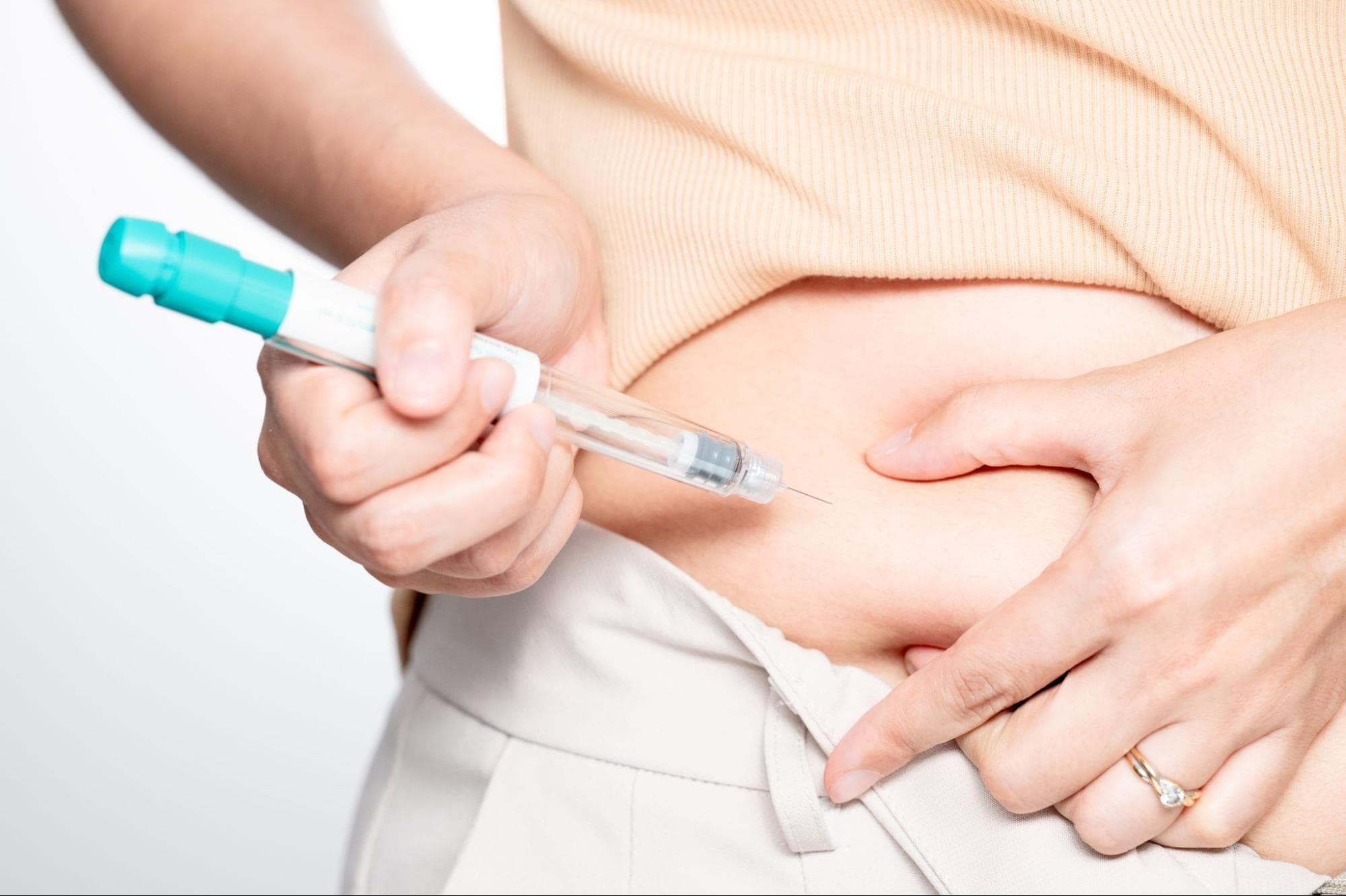
Ovarian stimulation injections are an important step in assisted reproductive treatments such as IVF, Ovulation Induction (OI), or egg freezing, with the aim of increasing the number and quality of eggs. The steps involved in ovarian stimulation injections are as follows:
Start injections during the menstrual cycle: Injections begin on Day 1–3 of the menstrual cycle. The doctor will prescribe FSH (Follicle Stimulating Hormone) to stimulate the ovaries to develop multiple eggs. This step is part of Ovulation Induction (OI). Patients can administer the medication themselves at home using a subcutaneous injection or have the injection administered by a doctor.
Monitor the response: Approximately 5–7 days after the first injection, the doctor will schedule an ultrasound to assess the size and number of developing eggs, along with blood tests to measure LH (Luteinizing Hormone) and Estradiol levels to evaluate the ovarian response.
Continue injections according to the treatment plan: Patients may need to continue injections for another 3–5 days after the first follow-up appointment, depending on how the ovaries respond. The doctor will adjust the dosage according to the ultrasound and blood test results.
Ovulation trigger injection (Trigger Shot / hCG): Once the eggs have reached an appropriate size, the doctor will prescribe a Trigger Shot to stimulate ovulation and prepare the eggs for retrieval. Egg retrieval is generally scheduled approximately 36 hours after the injection.
Continuous monitoring: At each appointment, ultrasound examinations and blood tests will be performed to adjust the injections and monitor egg development according to each patient's individual response.
For those interested in increasing the chances of pregnancy through natural fertilisation, the doctor may consider prescribing oral ovulation stimulation medication or recommend IUI. You can read more about what IUI is and who it is suitable for.
What Are the Side Effects of Ovarian Stimulation Injections?
Ovarian stimulation injections can help increase the chances of pregnancy, but the body may sometimes respond in ways that cause unwanted side effects. Possible side effects of ovarian stimulation injections include:
Lower abdominal pain: This occurs as the ovaries enlarge in response to the hormones received from ovarian stimulation medication.
Swelling or abdominal bloating: Increased hormone levels can cause fluid accumulation in the tissues, resulting in a feeling of abdominal fullness or bloating.
Breast tenderness: This is caused by increased levels of estrogen and progesterone during the ovarian stimulation injection period.
Headache and dizziness: In some cases, these symptoms may result from hormonal changes or stress associated with the injections.
Fatigue and mood changes: High hormone levels may affect the nervous system and emotions.
Severe Complications
A serious complication that may occur is Ovarian Hyperstimulation Syndrome (OHSS). It commonly occurs in individuals who develop a large number of eggs or whose bodies respond excessively to the medication. Fluid may leak into the abdominal cavity and lungs, causing abdominal bloating, tightness, nausea, and vomiting. In some cases, hospital treatment may be required to drain the fluid and administer intravenous fluids.
Frequently Asked Questions About Ovarian Stimulation Injections
- How Many Days Are Ovarian Stimulation Injections Required?
The duration depends on the ovarian response and the doctor's treatment plan. Generally, injections are required for approximately 10–12 days, although this may vary from person to person.
The doctor will schedule regular ultrasound examinations and blood tests to monitor egg development and adjust the medication dosage according to the body's response. Therefore, administering ovarian stimulation injections every day as instructed is important to achieve the best possible number and quality of eggs.
- Where Are Ovarian Stimulation Injections Given?
Ovarian stimulation injections are usually administered into the fatty tissue beneath the skin (subcutaneous injection) on the left or right side of the abdomen. It is recommended to alternate sides each day and administer the injection at approximately the same time every day.
If several types of medication are required, each medication should be injected on a different side for convenience and safety.
Ovarian Stimulation Injections to Increase Your Chances of Having a Baby — Consult BeyondIVF About Your Treatment Options
Ovarian stimulation injections are an important step in assisted reproductive treatments such as egg freezing, IVF, or ICSI. Hormones are used to stimulate the ovaries to produce multiple eggs, helping increase the chances of retrieving good-quality eggs and supporting the subsequent stages of treatment.
Understanding how the injections are administered, the types of medication used, and the possible side effects can help patients prepare for treatment with greater confidence and safety.
BeyondIVF provides detailed consultations covering every stage, from ovarian stimulation planning and monitoring egg development to personalised treatment approaches, helping each patient undergo assisted reproductive treatment smoothly and appropriately according to their individual needs.
- Line : https://lin.ee/atytxh8
- Facebook : www.facebook.com/beyondivf