
Infertility is a challenge faced by many couples around the world. Some couples have been trying to conceive for years without success, yet still do not understand the underlying cause or know where to begin treatment. In this article, our fertility specialists explain what infertility is, its common causes, and the treatment options available to help you achieve a successful pregnancy.
Understanding Infertility
Today, infertility is becoming increasingly common and is no longer a rare condition. In Thailand alone, approximately 12 million people are affected by fertility-related issues. However, many couples are unsure whether their situation meets the medical definition of infertility.Let's take a closer look at what infertility really means.
What Is Infertility?
Infertility is defined as the inability to achieve pregnancy despite having regular, unprotected sexual intercourse over an appropriate period of time.
According to medical guidelines:
- Women aged under 35 years who have been trying to conceive naturally for 12 months or longer without success should seek medical evaluation.
- Women aged 35 years or older should consult a fertility specialist after 6 months of unsuccessful attempts, as fertility naturally declines with age.
If pregnancy has not occurred within these timeframes, it may indicate an underlying reproductive problem affecting either partner, and a comprehensive fertility assessment is recommended.
What Causes Infertility?
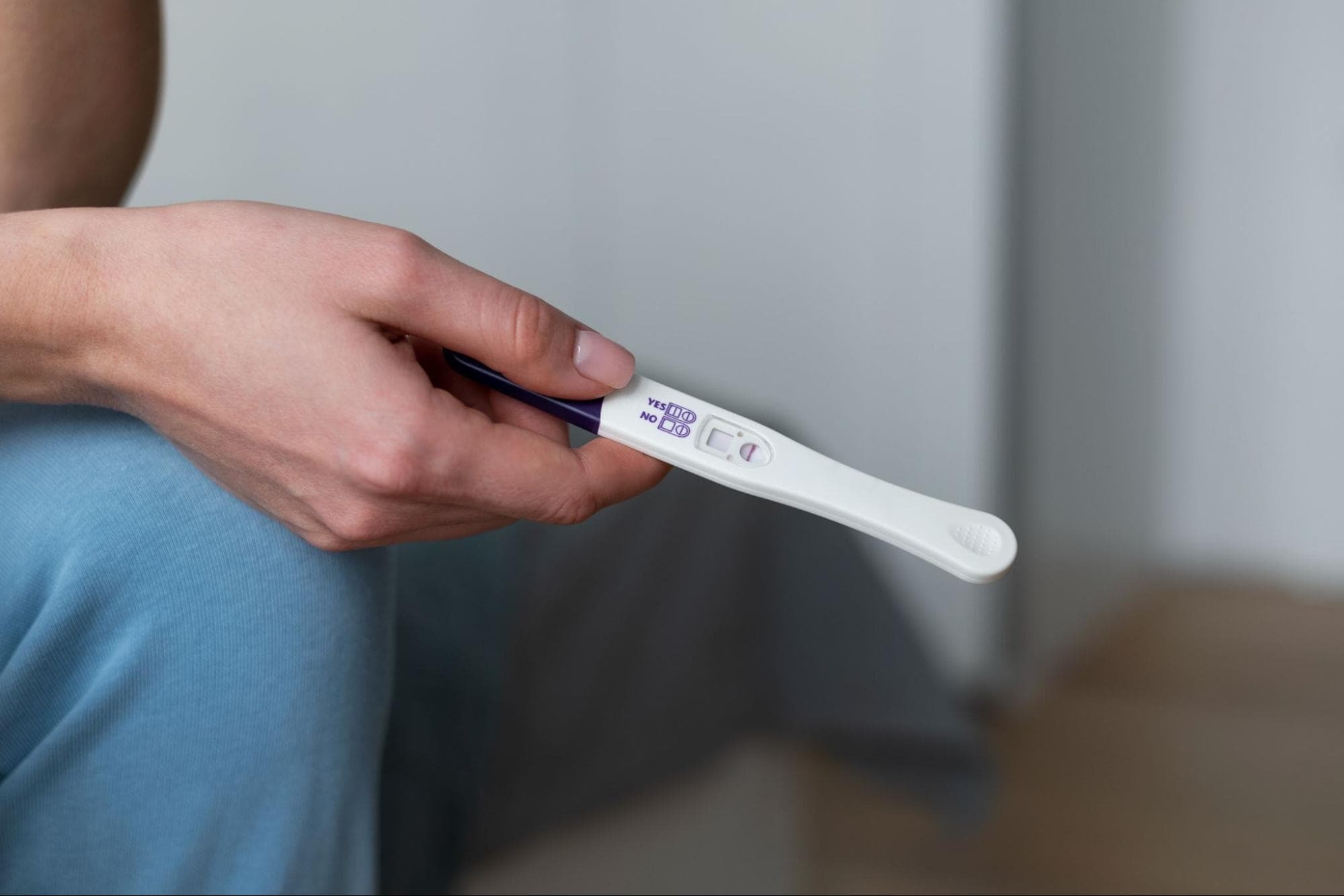
Infertility can result from factors affecting either the female partner, the male partner, or both.
Medical studies show that infertility is generally caused by:
- Female factors: approximately 40%
- Male factors: approximately 25%
- Combined male and female factors: approximately 20%
- Unexplained infertility: approximately 15%
Because infertility can have multiple causes, both partners should undergo a thorough fertility evaluation to identify the underlying issue and determine the most appropriate treatment plan.
Female Causes of Infertility
A healthy female reproductive system is essential for successful conception. Every stage—from ovulation and fertilisation to embryo implantation—depends on the normal function of the reproductive organs.
Female infertility is commonly associated with two main categories:
1. Egg Quality and Ovarian Function (Oocytes)
Both the number and quality of a woman's eggs naturally decline with age, particularly after the age of 30. This can lead to ovulation disorders (anovulation), including:
- Poor egg quality
- Degenerating or non-viable eggs
- Irregular ovulation
- Failure to ovulate
These conditions reduce the likelihood of successful fertilisation and pregnancy.
2. Uterus and Fallopian Tubes
Structural abnormalities of the uterus or fallopian tubes can also prevent pregnancy.
Common conditions include:
- Blocked fallopian tubes
- Uterine fibroids
- Ovarian cysts
- Congenital abnormalities of the uterus
- Endometrial abnormalities that interfere with embryo implantation
These conditions can be accurately assessed through diagnostic investigations such as:
- Pelvic ultrasound
- Hysterosalpingography (HSG), an X-ray procedure that evaluates whether the fallopian tubes are open.
Male Causes of Infertility
Many people assume infertility is primarily caused by female reproductive problems. In reality, male factors contribute significantly and account for approximately one-quarter of infertility cases.
The most common male fertility problems involve sperm quality, including:
- Reduced sperm motility (poor movement)
- Low sperm count
- Abnormal sperm morphology (shape)
Any of these factors can reduce the sperm's ability to fertilise an egg.
Semen Analysis
Male fertility is evaluated through a semen analysis, which assesses:
- Sperm concentration (count)
- Sperm motility
- Sperm morphology
- Overall semen quality
The results help fertility specialists identify the underlying cause of male infertility and recommend the most suitable treatment options for the couple.
Unexplained Infertility
This condition accounts for approximately 10% of couples experiencing infertility. Despite normal findings—such as a normal semen analysis, a healthy uterus, open fallopian tubes, and no evidence of conditions such as endometriosis—pregnancy still does not occur naturally.
In these cases, fertility specialists often recommend starting with Intrauterine Insemination (IUI) to increase the chances of conception. If pregnancy is not achieved after an appropriate number of treatment cycles, more advanced assisted reproductive technologies such as In Vitro Fertilisation (IVF) or Intracytoplasmic Sperm Injection (ICSI)may be recommended.
Even younger couples who experience difficulty conceiving despite having no identifiable medical cause should seek evaluation from a fertility specialist. Early assessment can help determine the most appropriate treatment and improve the likelihood of a successful pregnancy.
Fertility Evaluation: Essential Tests Before Planning for Pregnancy

If you have been trying to conceive without success or are concerned about your fertility, consulting a fertility specialist is the first step. A comprehensive fertility assessment involves evaluating both female and male partners to identify any underlying reproductive issues and recommend the most appropriate treatment plan.
Female Fertility Assessment
Female fertility evaluation typically begins with a transvaginal ultrasound, which allows the doctor to examine the uterus, endometrial lining, and ovaries. This examination can detect conditions that may affect fertility, including ovarian cysts, uterine abnormalities, and Polycystic Ovary Syndrome (PCOS).
Blood tests are also performed to assess reproductive hormone levels. One of the most important markers is Anti-Müllerian Hormone (AMH), which reflects ovarian reserve and estimates the number of remaining eggs. Additional hormone tests help evaluate ovarian function, menstrual cycle patterns, and ovulation.
Male Fertility Assessment
Male fertility is primarily assessed through a Semen Analysis, which evaluates:
- Sperm concentration (count)
- Sperm motility (movement)
- Sperm morphology (shape)
- Overall sperm quality
These results help fertility specialists identify male-factor infertility and determine the most suitable treatment approach.
Fertility Treatment Options
1. Intrauterine Insemination (IUI)
Intrauterine Insemination (IUI) is often recommended as a first-line treatment because it closely resembles natural conception while improving the chances of fertilisation.
The procedure usually involves:
- Ovarian stimulation using fertility medications to encourage the development of mature eggs.
- Sperm washing, a laboratory process that selects the healthiest and most motile sperm.
- Placing the prepared sperm directly into the uterus during ovulation to maximise the likelihood of fertilisation.
IUI offers a pregnancy success rate of approximately 10–15% per treatment cycle, although success depends on factors such as age, ovarian reserve, sperm quality, and the underlying cause of infertility.
2. IVF/ICSI (In Vitro Fertilisation)
For couples with long-standing infertility or those who have not conceived after IUI treatment, IVF and ICSI provide highly effective assisted reproductive options.
Treatment begins with ovarian stimulation, during which fertility medications are administered for approximately 10–12 days to stimulate multiple eggs to mature. Once ready, the eggs are collected through a minimally invasive procedure.
The eggs are then fertilised with sperm in a specialised embryology laboratory.
With ICSI (Intracytoplasmic Sperm Injection), an embryologist carefully selects a single healthy sperm and injects it directly into each mature egg to facilitate fertilisation. This technique is particularly beneficial in cases of male-factor infertility.
After fertilisation, embryos are cultured in the laboratory for several days until they reach the optimal stage for transfer. The healthiest embryo is then transferred into the uterus, where it can implant and develop into a pregnancy.
Depending on factors such as maternal age, egg quality, embryo quality, and individual medical conditions, IVF/ICSI treatment may achieve pregnancy rates of approximately 70–80% in suitable candidates.
3. Egg Freezing
Egg Freezing (Oocyte Cryopreservation) allows women to preserve healthy eggs while they are still at their highest quality for future family planning.
The process involves ovarian stimulation followed by egg retrieval through a minimally invasive transvaginal procedure. Mature eggs are then rapidly frozen using advanced cryopreservation techniques and stored at ultra-low temperatures until they are needed.
Frozen eggs can later be thawed and used as part of an IVF treatment cycle when a woman is ready to start a family.
Egg freezing is particularly suitable for women who:
- Wish to delay pregnancy for personal or professional reasons.
- Want to preserve fertility before undergoing medical treatments that may affect ovarian function.
- Are concerned about age-related decline in egg quality.
- Want to maximise their future reproductive options.
By preserving eggs at a younger age, women can improve their chances of achieving a healthy pregnancy later in life.
Frequently Asked Questions About Infertility
- Does a Thick Endometrium Make It Harder to Get Pregnant?
Yes, it can. The ideal endometrial thickness for embryo implantation is generally 8–10 mm. An endometrium that is significantly thinner or thicker than this may reduce the chances of successful implantation and pregnancy.
Some women may also have intrauterine adhesions (Asherman's syndrome) or other uterine abnormalities that interfere with embryo implantation and fetal development. If you are concerned about your uterine lining, consult a fertility specialist for a thorough evaluation and personalised treatment plan.
- Does an Acidic Vaginal Environment Cause Infertility?
An imbalance in the vaginal environment may affect reproductive health, although it is not usually a direct cause of infertility. Certain vaginal or cervical conditions may interfere with conception or increase the risk of infection.
Before planning a pregnancy, your doctor may recommend a ThinPrep Pap test to evaluate the health of the cervix and detect any abnormalities that may require treatment.
- Does Taking Birth Control Pills for a Long Time Cause Infertility?
No. This is a common misconception. Long-term use of birth control pills does not cause infertility. After stopping oral contraceptives, normal ovulation and fertility typically return within a relatively short period, although the exact timing varies from woman to woman.
- Can Thyroid Disorders Affect Fertility?
Yes. Both an underactive thyroid (hypothyroidism) and an overactive thyroid (hyperthyroidism) can affect ovulation, menstrual cycles, and the ability to conceive.
If you have a thyroid condition and are planning a pregnancy, it is important to work closely with both an endocrinologist and a fertility specialist. Never stop or adjust your thyroid medication without medical advice.
- Can High Levels of Male Hormones Cause Infertility?
Yes. Elevated levels of androgens (male hormones) in women can disrupt the balance of reproductive hormones and interfere with normal ovulation.Hormonal imbalance is a common cause of infertility and should be properly evaluated by a fertility specialist to determine the underlying cause and appropriate treatment.
- When Should I Have a Fertility Evaluation?
- You should consider seeing a fertility specialist if:
- You are under 35 years old and have been trying to conceive for 12 months without success.
- You are 35 years or older and have been trying to conceive for 6 months without success.
- You have known reproductive conditions, irregular menstrual cycles, recurrent pregnancy loss, or other concerns that may affect fertility.
Early evaluation allows potential problems to be identified and treated before they become more difficult to manage.
- Is Infertility Hereditary?
In some cases, infertility can have a genetic component, but it is not always inherited.Certain genetic conditions may affect fertility in men or women; however, not everyone with a family history of infertility will experience fertility problems. A fertility specialist can determine whether genetic testing is appropriate based on your medical and family history.
Turn Infertility Into Parenthood with the Right Fertility Plan
Understanding the causes of infertility and undergoing a comprehensive fertility assessment are the first steps toward building your family.
Early diagnosis allows fertility specialists to identify potential reproductive issues and recommend the most effective treatment options, helping to improve your chances of achieving a successful pregnancy.
At Beyond IVF, we provide personalised fertility care tailored to your individual needs and family-building goals. From fertility assessments and treatment planning to advanced reproductive technologies, our experienced team is committed to supporting you every step of your journey toward parenthood.
If you think you may be experiencing infertility or would like expert guidance before starting a family, schedule a consultation with our fertility specialists today. Together, we can create a treatment plan that gives you the best possible chance of success.
- Line : @beyondivf
- Facebook : www.facebook.com/beyondivf