
What Is Intrauterine Insemination (IUI)?
Intrauterine Insemination (IUI) is a fertility treatment that is similar to natural conception but can increase the chance of successful fertilisation by more than 15%. During IUI, a semen sample is collected from the male partner, and a number of the healthiest sperm are selected. The prepared sperm are then inserted directly into the uterine cavity using a medical instrument, allowing them to swim towards the egg and fertilise it naturally.
IUI is often one of the first treatment options recommended for couples experiencing infertility who wish to have a baby. This is because the procedure is relatively simple, has a low risk of complications, closely resembles natural conception, and is relatively affordable.
However, several factors can affect the success of IUI. If either partner has certain abnormalities or their physical condition is not suitable for the procedure, IUI may not be the most appropriate treatment. In such cases, other fertility treatments with potentially higher success rates, such as IVF or ICSI, may be considered.
Who Is IUI Suitable For?
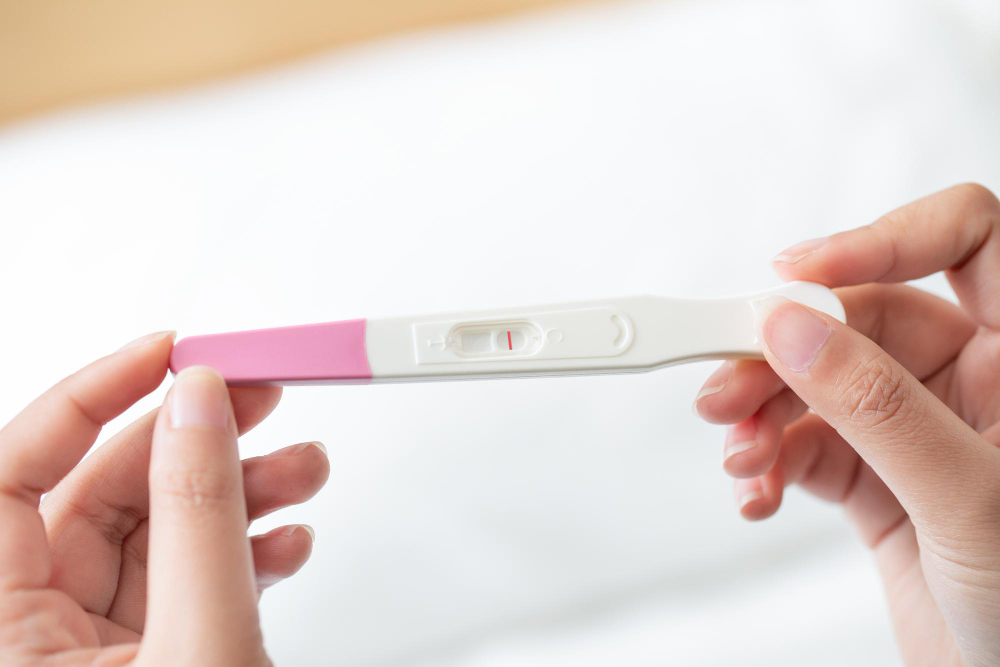
IUI may be suitable for individuals or couples with the following conditions or fertility factors:
- Women aged 35 or younger whose fallopian tubes are not blocked.
- Women with Polycystic Ovary Syndrome (PCOS) and irregular menstrual cycles.
- Women with cervical stenosis, which makes it difficult for sperm to enter the uterine cavity.
- Women who have an allergic reaction to semen and are unable to have sexual intercourse normally.
- Men with low sperm concentration or reduced sperm quality, but who still have an adequate number of healthy, motile sperm that meet the required standards.
- Couples who wish to have a child without sexual intercourse.
Who Is IUI Not Suitable For?
Since IUI is a fertility treatment that involves injecting sperm directly into the uterine cavity and allowing fertilisation to occur naturally, there are some individuals for whom IUI may not be suitable, including:
- Women over the age of 35, as egg quality declines with age, which may reduce the success rate of this treatment.
- Women with fallopian tube abnormalities or non-functioning fallopian tubes.
- Women with endometriosis.
- Men with a low sperm count, poor sperm motility, or an inability to ejaculate.
- Individuals who are at risk of passing on genetic disorders.
- Those who have undergone more than 3 IUI cycles without success.
If your doctor determines that you and your partner are not suitable candidates for IUI, other fertility treatments such as IVF or ICSI may be recommended. These treatments can offer a higher chance of successful pregnancy than IUI and may be suitable for individuals with reproductive problems, including low sperm count, poor egg quality, abnormalities of the fallopian tubes or uterus, as well as those who are concerned about genetic disorders.
How to Prepare for IUI to Increase the Chances of Success
Couples who are interested in intrauterine insemination should first consult a fertility specialist. The doctor will review their medical history and gather basic information regarding their fertility concerns. The doctor will then assess whether IUI is suitable and determine the most appropriate fertility treatment.
For Men
For men undergoing intrauterine insemination (IUI), one of the most important factors is sperm quality. The doctor will advise abstaining from ejaculation for 5–7 days before the insemination procedure, without exceeding or shortening this period.
During the preparation period, men can exercise to improve overall physical health, avoid alcohol and smoking, and take vitamins or supplements to support sperm quality as recommended by the doctor.
For Women
For women, after undergoing a medical examination and assessment by the doctor, it is important to prepare the body for the IUI procedure according to medical advice. This may include eating a balanced diet from all five food groups, getting sufficient rest, engaging in light exercise, avoiding smoking and alcohol, and reducing stress to help maintain hormonal balance.
What Are the Steps of the IUI Procedure?

The IUI procedure involves the following steps:
1. Consultation with a Doctor
Before beginning fertility treatment, couples should consult a doctor to discuss their fertility concerns and undergo a physical examination to assess the severity of the infertility problem. The doctor will then develop a treatment plan and provide recommendations on how to prepare before starting the IUI process.
2. Ovarian Stimulation
Ovarian stimulation begins on Day 2–3 of the menstrual cycle. The doctor will prescribe either oral or injectable ovarian stimulation medication depending on the individual. This stage usually takes approximately 5–10 days.
3. Ultrasound
After ovarian stimulation, the doctor will schedule an ultrasound examination to monitor the size of the developing follicles. Once the follicles have reached an appropriate size, an injection will be given to trigger ovulation. Approximately 24–40 hours later, the patient will return for intrauterine insemination around the time of ovulation.
4. Sperm Preparation
On the day of the IUI procedure, the male partner will provide a semen sample. The laboratory scientist will then process the sample and select the highest-quality sperm in the laboratory.
5. Insemination Procedure
The doctor will insert the prepared sperm directly into the uterine cavity using a very thin catheter passed through the vagina. After the procedure, the patient will rest and be monitored for approximately 1 hour. If there are no abnormal symptoms, the patient can return home and continue normal daily activities.
6. Pregnancy Test
A pregnancy test can be performed approximately 2–3 weeks after the IUI procedure. It is recommended not to test too early because, before this period, the level of pregnancy-related hormones in the body may not yet be high enough for a pregnancy test to detect accurately.
How Should You Take Care of Yourself After IUI?
After undergoing fertility treatment with intrauterine insemination (IUI), the doctor will usually recommend resting and monitoring for approximately 30–60 minutes. After that, you can return home and continue your normal daily activities.
Since IUI is a fertility treatment that closely resembles the natural conception process, there is no need to take time off work or remain on bed rest. You only need to avoid strenuous exercise, long-distance travel, and stress that may affect hormone levels.
What Are the Advantages and Limitations of IUI?
IUI is a fertility treatment that has both advantages and limitations, as follows:
Advantages of IUI
- It is a fertility treatment with a relatively simple and uncomplicated process that closely resembles natural conception.
- There is a low risk of complications.
- The cost is relatively affordable.
- A long recovery period is not required. After IUI, you can generally return to your normal daily activities.
Limitations of IUI
- There is a possibility of a multiple pregnancy, as ovarian stimulation medication may cause more than one egg to be released. A multiple pregnancy may carry greater health risks for the mother than a singleton pregnancy.
- There is a possibility of infection during the procedure, although this is now very rare.
- The chance of success may be lower in individuals with reproductive system problems or in women of advanced age.
Q&A About IUI
- Can IUI Be Used to Choose the Baby’s Sex?
IUI treatment cannot guarantee the baby’s sex with 100% certainty because the IUI process is similar to natural conception.
Read more: Can you choose your baby’s sex with IUI?
- Can IUI Result in Twins?
IUI fertility treatment may result in twins if more than one egg is fertilised. However, the chance is relatively low because doctors generally try to avoid stimulating the development of too many eggs. If multiple eggs are fertilised, resulting in twins or triplets, the pregnancy may carry increased risks, such as miscarriage or premature birth.
Read more: Can IUI result in twins?
- How Many Times Can IUI Be Performed?
Most doctors recommend trying IUI up to 3 times. If pregnancy has not occurred after 3 attempts, further evaluation may be recommended to identify possible causes, or another fertility treatment, such as IVF, may be considered to increase the chance of success.
- What Is the Success Rate of IUI?
The chance of achieving pregnancy through IUI is approximately 10–15% per cycle, which may be slightly higher than natural conception. In general, IUI may be successful within 3–6 treatment cycles. However, if pregnancy has still not occurred, further evaluation should be considered to identify the cause or determine the next appropriate treatment option.
- How Long After IUI Can You Know the Result?
After IUI, doctors recommend taking a pregnancy test within 2–3 weeks, or approximately 14 days. For those who would like to know the result earlier, you can visit a nearby hospital or the fertility clinic where you received treatment to request a Beta-hCG (Human Chorionic Gonadotropin) test, which can indicate pregnancy.
- Can Women Over 35 Have IUI?
Couples in which the woman is over 35 years old can still undergo IUI if recommended by the doctor. In fact, fertility treatment should be selected based on the individual’s condition and the severity of infertility rather than considering age alone.
- Can You Have IUI After Sterilisation?
If either partner has undergone sterilisation, whether the female or male partner, IUI can no longer be used as a fertility treatment.
- How Much Does IUI Cost?
IUI is generally a relatively affordable fertility treatment. At Beyond IVF, the cost of IUI is 20,000 THB per cycle. This price includes:
- Oral ovarian stimulation medication as prescribed by the doctor
- Ovulation trigger injection
- 2 ultrasound examinations during ovarian stimulation monitoring
- Semen collection and sperm preparation
- Intrauterine insemination procedure
- Doctor’s fees throughout the treatment
- Nursing and specialised laboratory scientist fees
- Medical instruments and equipment
IUI, or intrauterine insemination, is a fertility treatment in which prepared sperm is inserted directly into the uterine cavity. It is a treatment option that many couples are interested in because the cost is relatively affordable and it can help increase the chance of pregnancy. However, several other factors can also affect the success of the treatment.
If the woman is still young, has good-quality eggs, and has no uterine abnormalities or serious reproductive problems, while the male partner has good-quality sperm with healthy morphology, IUI may help achieve a successful pregnancy.
If you have any questions or would like to consult a doctor regarding infertility, please contact us for more information.
IUI: Another Fertility Treatment Option to Increase the Chances of Successful Pregnancy
IUI, or intrauterine insemination, is a fertility treatment in which prepared sperm is inserted directly into the uterine cavity. It is an option that many couples experiencing infertility are interested in because the cost is relatively affordable and it can help increase the chances of pregnancy. However, several other factors can also affect the success of the treatment.
If the woman is still young, has good-quality eggs, and has no uterine abnormalities or serious reproductive problems, while the male partner has good-quality sperm with healthy morphology, IUI may help increase the chances of achieving a successful pregnancy.
If you have any questions or would like to consult a doctor regarding infertility, please contact us for more information.
- Line : @beyondivf
- Facebook : www.facebook.com/beyondivf