
For couples planning to start a family, preparing your body for pregnancy is an essential step. This is especially important for women undergoing ovarian stimulation, where maintaining a healthy, balanced diet can help support the treatment process and overall reproductive health.
In this article, Beyond IVF explains what ovarian stimulation is, which foods and drinks should be limited or avoided during treatment, and what you should eat to help support your fertility journey.
What Is Ovarian Stimulation?
Ovarian stimulation is a treatment that uses fertility medications containing synthetic hormones that mimic the body's natural reproductive hormones. These medications are given either by injection or as oral medication to encourage the ovaries to produce multiple mature eggs within a single menstrual cycle.
Unlike natural conception, where only one egg typically matures each month, ovarian stimulation increases the number of eggs available, improving the chances of successful fertilisation. It is an essential step in assisted reproductive treatments such as IVF (In Vitro Fertilisation) and ICSI (Intracytoplasmic Sperm Injection), as well as for women choosing to preserve their fertility through egg freezing.
During ovarian stimulation, your fertility specialist will prescribe fertility medications that may be administered as injections or oral tablets, depending on your individual treatment plan and medical condition.
Throughout the stimulation process, you will attend regular follow-up appointments so your doctor can closely monitor how your ovaries respond to the medication. Ultrasound examinations and, in some cases, blood tests are used to assess the number and size of developing follicles, allowing your treatment to be adjusted if necessary to achieve the best possible outcome.
What Foods Should Women Avoid During Ovarian Stimulation?
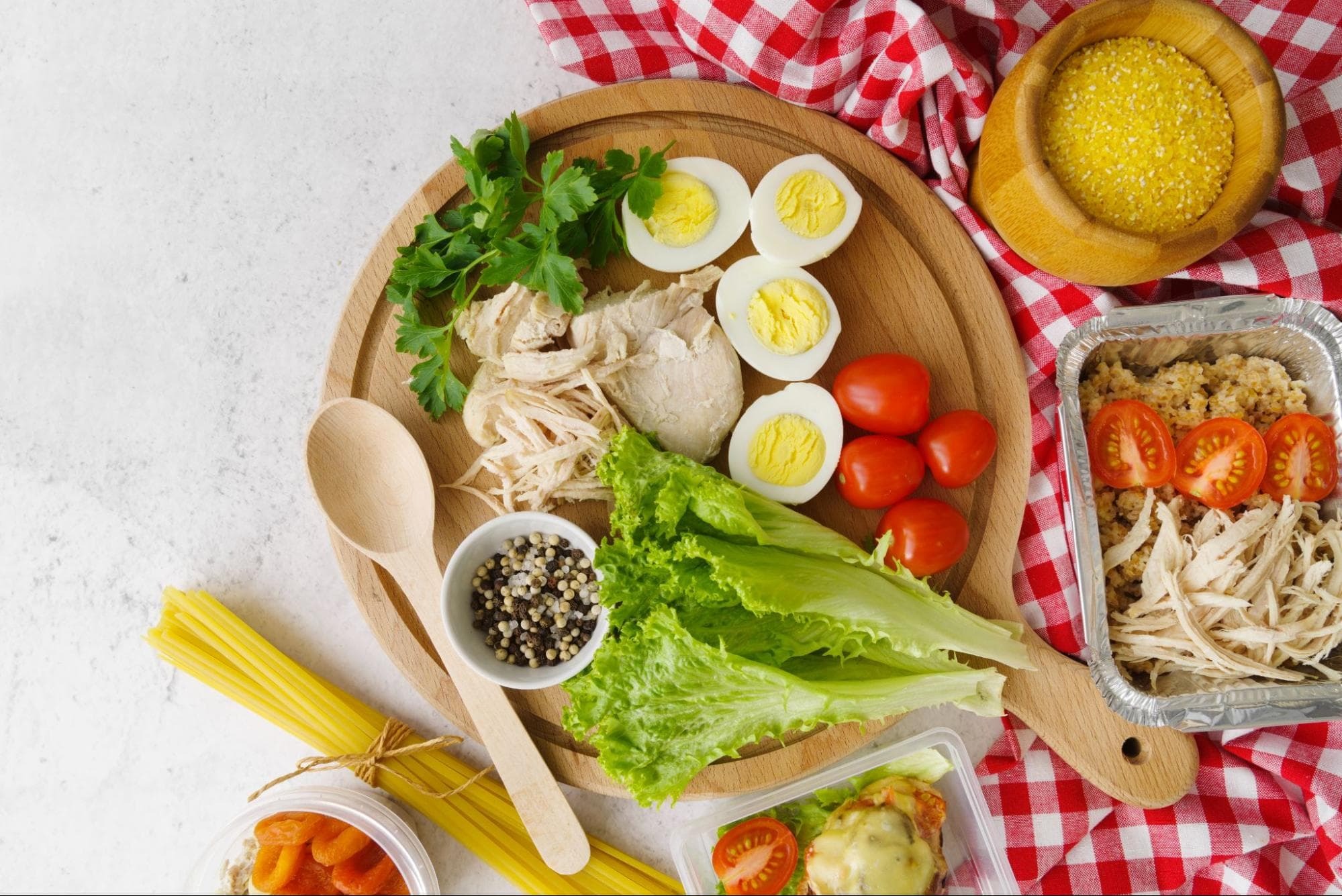
During ovarian stimulation, following your fertility specialist's instructions is essential. Equally important is maintaining a healthy diet to support egg development and optimise your body's response to fertility medications. Good nutrition can help promote the growth of multiple mature eggs, which is one of the key goals of ovarian stimulation.
If you're preparing for IVF, ICSI, or egg freezing, here are the foods and beverages you should limit or avoid during treatment.
Foods to Avoid During Ovarian Stimulation
Avoid Raw or Undercooked Foods and Fermented Foods
Avoid consuming raw or undercooked foods, including raw seafood, undercooked meat, and unpasteurised products, as these may increase the risk of foodborne infections. It is also advisable to limit fermented foods if recommended by your fertility specialist.
Limit High-Caffeine Beverages
Reduce your intake of beverages that contain high amounts of caffeine, such as:
- Coffee
- Tea
- Matcha
- Energy drinks
Excessive caffeine consumption may affect hormone balance and has been associated with reduced fertility in some studies. If you regularly consume caffeine, speak with your doctor about a safe daily limit.
Avoid Alcohol
Alcohol should be avoided throughout ovarian stimulation. Drinking alcohol may interfere with hormone regulation and could negatively affect egg quality, reducing the chances of successful fertilisation and pregnancy.
Limit Sugary Foods and Drinks
Foods high in sugar—including cakes, desserts, sweets, and sugar-sweetened beverages—should be consumed in moderation. Excess sugar intake may contribute to inflammation and metabolic imbalance, both of which can negatively impact reproductive health.
Avoid Foods High in Trans Fats
Trans fats, commonly found in processed foods, deep-fried foods, pastries, and commercially baked products, may have a negative effect on reproductive health. Choosing healthier sources of fat is recommended during fertility treatment.
For the best results, many fertility specialists recommend adopting these dietary changes at least 1–2 months before beginning ovarian stimulation and continuing healthy eating habits throughout treatment and into early pregnancy.
How to Take Care of Yourself During Ovarian Stimulation?
In addition to knowing which foods to avoid, taking good care of your overall health can help your body respond better to fertility treatment and support successful egg development.
Stay Well Hydrated and Get Enough Rest
Drink plenty of water every day and aim for sufficient sleep each night. Proper hydration and adequate rest support your body's overall health and recovery throughout treatment.
Eat a High-Protein Diet
Protein plays an important role during ovarian stimulation. Good protein sources include:
- Lean meat
- Fish
- Egg whites
- Tofu
- Milk
- Yogurt
- Soy milk
Foods rich in Omega-3 fatty acids, such as salmon, sardines, tuna, avocados, and legumes, may also support overall reproductive health.
Eat Plenty of Fruits and Vegetables
A balanced diet rich in fruits and vegetables provides essential vitamins, minerals, antioxidants, and fibre. Good choices include:
- Berries
- Oranges
- Leafy green vegetables
- Broccoli
Choose Freshly Cooked Meals
Eat freshly prepared, thoroughly cooked meals whenever possible to minimise the risk of foodborne illness during treatment.
Manage Stress
Emotional wellbeing is an important part of fertility care. Practising relaxation techniques such as meditation, deep breathing, or gentle yoga may help reduce stress and support overall health during treatment.
Avoid High-Impact Exercise
Light physical activity is generally encouraged, but strenuous exercise should be avoided during ovarian stimulation.
Activities to avoid include:
- Running
- Heavy weight training
- High-intensity cardio
- Heavy lifting
- Sports involving jumping or rapid body movements
As the ovaries enlarge during stimulation, vigorous exercise may increase discomfort and, in rare cases, the risk of ovarian torsion.
Why Is Self-Care Important During Ovarian Stimulation?

Looking after your health during ovarian stimulation plays an important role in supporting the development of healthy, mature eggs. High-quality eggs have a greater chance of successful fertilisation and developing into healthy embryos.
Healthy lifestyle habits—including balanced nutrition, adequate sleep, stress management, and appropriate physical activity—can help your body respond more effectively to fertility medications. Whether you are undergoing IVF,ICSI or preserving your fertility through egg freezing, taking care of yourself may contribute to better treatment outcomes.
Frequently Asked Questions About Ovarian Stimulation
- Can I Exercise During Ovarian Stimulation?
Yes. Gentle exercise is generally safe and may help improve circulation and reduce stress.Recommended activities include:WalkingGentle stretchingYoga (avoiding twisting poses)Avoid strenuous exercise or activities involving heavy lifting, jumping, or sudden movements unless advised otherwise by your fertility specialist. - Can I Drink Coffee During Ovarian Stimulation?
Fertility specialists generally recommend limiting caffeine intake during treatment.If you regularly drink coffee and find it difficult to stop completely, your doctor may advise limiting your total caffeine intake to no more than 200 mg per day, which is approximately equivalent to one regular cup of brewed coffee. - What Are the Side Effects of Ovarian Stimulation Medication?
Side effects vary from person to person, but common symptoms include:Mild lower abdominal discomfort or bloating as the follicles grow.Mood changes or emotional sensitivity due to hormonal fluctuations.Breast tenderness.Nausea or dizziness in some individuals.Most symptoms are temporary and improve after egg retrieval or once hormone levels return to normal. If you experience severe abdominal pain, rapid weight gain, difficulty breathing, or persistent vomiting, contact your fertility clinic immediately. - How Long Does Ovarian Stimulation Take Before Egg Retrieval?
Ovarian stimulation typically lasts 10–14 days.During this period, your fertility specialist will monitor follicle growth through ultrasound scans and, when necessary, blood tests to measure hormone levels. Once the leading follicles reach the optimal size—usually 18–20 mm—a trigger injection is administered to complete egg maturation. Egg retrieval is then scheduled approximately 36 hours later.
What Should You Avoid Eating During Ovarian Stimulation? Supporting the Best Possible Fertility Treatment Outcome
Taking fertility medications—whether oral ovulation induction drugs or injectable ovarian stimulation hormones—is an important step in increasing the chances of pregnancy. During this stage of treatment, maintaining a healthy, balanced diet is just as important as following your doctor's instructions. Proper nutrition helps support egg quality, overall reproductive health, and your body's response to fertility medications.
Paying close attention to your diet during ovarian stimulation is essential. Limiting foods and beverages that may disrupt hormonal balance or negatively affect egg quality can help optimise your chances of a successful pregnancy.
If you are concerned about infertility or are considering egg freezing to preserve your future fertility, Beyond IVF is here to support you every step of the way. Our experienced fertility specialists provide personalised fertility assessments, treatment planning, and advanced reproductive care tailored to your individual goals. From your first consultation through successful pregnancy, we are committed to helping you build the family you envision.
- Line : https://lin.ee/atytxh8
- Facebook : www.facebook.com/beyondivf
Reference
IVF Life. (2024, Aug 23). Ovarian stimulation: What it is and how it is performed. IVF-Life Clinics. https://www.ivf-spain.com/en/blog/ovarian-stimulation/