For many couples, starting a family is a lifelong dream. However, despite months or even years of trying to conceive, pregnancy does not always happen naturally. Fortunately, advances in assisted reproductive technology have made parenthood possible for many couples facing infertility. One of the most effective treatments available today is ICSI (Intracytoplasmic Sperm Injection).
ICSI is an advanced fertility treatment designed primarily to overcome male-factor infertility, including low sperm count, poor sperm motility, and abnormal sperm morphology. It has become one of the most widely used assisted reproductive techniques worldwide due to its high fertilisation rate and improved treatment outcomes.
If you're wondering what ICSI is, how it works, and whether it's the right treatment for you, this guide explains everything you need to know—from the procedure itself to its benefits and who is most likely to benefit from it.
What Is ICSI?
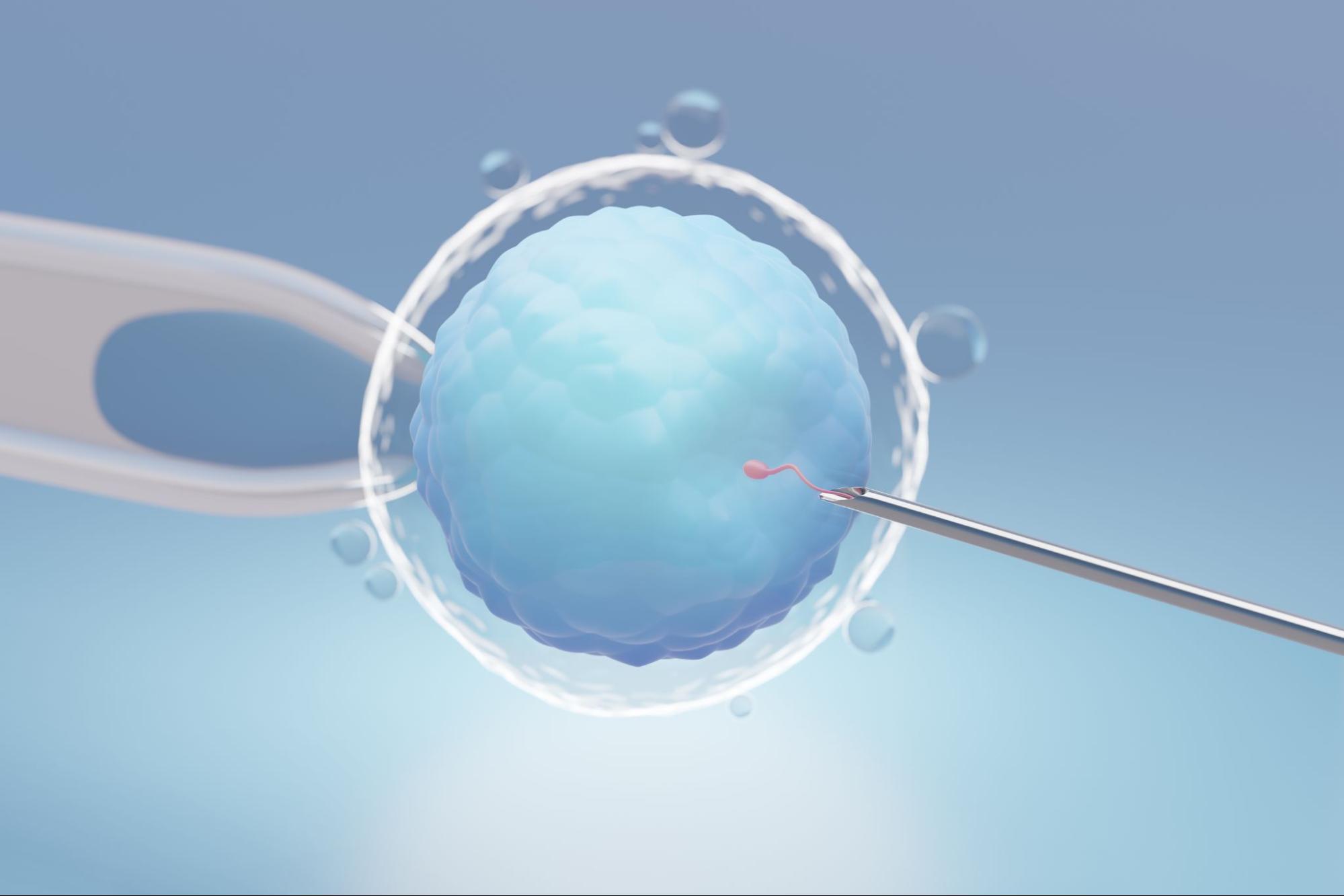
ICSI, which stands for Intracytoplasmic Sperm Injection, is a specialised technique used in infertility treatment. It involves injecting a single sperm directly into an egg. ICSI is an innovation developed from conventional In Vitro Fertilisation (IVF), offering greater precision by selecting the healthiest sperm and using highly specialised equipment to inject it directly into the egg, rather than allowing the sperm and egg to fertilise naturally in a culture dish.
ICSI can increase the chance of fertilisation by more than 15% compared with conventional IVF. As a result, it has become one of the most widely used infertility treatments today, particularly for couples in which the male partner has a low sperm count, poor sperm quality, or abnormal sperm.
After fertilisation, the embryo is cultured in the laboratory using specialised culture media until it reaches the blastocyst stage, after which it is transferred into the uterus to continue developing into a healthy baby.
Advantages of ICSI
Choosing ICSI as a treatment option not only offers hope for people experiencing infertility, but also provides several advantages that can increase the chances of pregnancy. ICSI combines advanced reproductive technology with medical expertise to address infertility effectively. The advantages of ICSI include:
- ICSI increases the chance of fertilisation compared with conventional IVF because the healthiest sperm is selected and injected directly into the egg.
- It can reduce the risk of genetic disorders when combined with Preimplantation Genetic Testing (PGT) before embryo transfer.
- It is suitable for couples in which the male partner has a low sperm count, poor sperm quality, or abnormal sperm.
- It can improve the chances of success for women of advanced maternal age or those with a low ovarian reserve.
- It provides an alternative for couples who have previously undergone sterilisation, without the need for sterilisation reversal surgery, which may carry risks and is not always successful.
ICSI is an important treatment option that gives couples experiencing infertility the opportunity to have children at the right time according to their family planning goals.
Who Is ICSI Suitable For?
If you or your partner are experiencing difficulty conceiving and are considering infertility treatment, ICSI may be a suitable option, particularly in cases where natural conception is unlikely. ICSI may be recommended for the following individuals:
- Men with sperm-related problems, such as a very low sperm count (less than 15 million sperm per millilitre), poor sperm motility or non-motile sperm, or abnormal sperm morphology.
- Men with azoospermia, where no sperm are present in the semen, requiring sperm to be retrieved directly from the testes or epididymis.
- Couples who have previously undergone IVF treatment without success or who experienced a low fertilisation rate.
- Women over the age of 35, whose egg quality may decline with age, making natural fertilisation more difficult.
- Women with endometriosis, which may affect egg quality.
- Individuals at risk of genetic disorders who wish to undergo ICSI together with Preimplantation Genetic Testing (PGT).
- Couples with unexplained infertility for more than one year.
- Individuals who wish to use frozen sperm or frozen eggs, as ICSI can improve the fertilisation rate of cryopreserved reproductive cells.
- Men who have previously undergone a vasectomy and do not wish to undergo vasectomy reversal surgery, as sperm can be retrieved directly from the testes.
- Women with ovarian cysts that may affect egg quality and ovulation.
How Is ICSI Different from IVF?

Many people wonder how ICSI differs from IVF, as the two treatments appear to be very similar. However, there are important differences between them. Understanding these differences before making a decision is important, especially for those preparing for ovarian stimulation or infertility treatment.
IVF (In Vitro Fertilisation)
IVF treatment begins with ovarian stimulation medication to encourage the ovaries to produce multiple eggs. The doctor then selects the mature eggs and combines them with sperm in a laboratory, allowing fertilisation to occur naturally in a culture dish. If fertilisation is successful and embryos develop, the embryo is transferred into the uterus to achieve pregnancy.
ICSI (Intracytoplasmic Sperm Injection)
ICSI is an advanced technique performed as part of the IVF process. A single healthy sperm is carefully selected and injected directly into the egg using a fine needle to achieve fertilisation. This technique is suitable for couples with male-factor infertility or for those who have previously undergone IVF without successful fertilisation.
ICSI is therefore a highly precise technique that reduces the risk of failed fertilisation and significantly increases the chances of pregnancy compared with conventional IVF.
How to Prepare Before Starting ICSI
Proper preparation before undergoing ICSI is an important factor in increasing the chances of success for couples who wish to have a baby. Preparation differs for women and men. The recommendations are as follows:
Preparation for Women
- Undergo a physical examination and reproductive health assessment, particularly on Days 2–3 of the menstrual cycle, to help the doctor plan the most appropriate treatment.
- Have hormone tests, including FSH, LH, AMH, and Estradiol, to assess egg quantity and quality.
- Undergo an ultrasound examination of the uterus and ovaries to evaluate the reproductive organs and identify any abnormalities that may affect pregnancy.
- Eat a healthy, balanced diet, particularly foods rich in protein, vitamins, and minerals that support healthy egg development.
- Start taking prenatal vitamins or folic acid at least 3 months before beginning ICSI treatment.
- Stop smoking and avoid alcoholic beverages for at least 3 months before treatment.
- Avoid caffeine and beverages containing caffeine.
- Manage stress through relaxing activities such as yoga, meditation, or light exercise.
Preparation for Men
- Abstain from ejaculation for approximately 3–5 days before semen collection (not more than 7 days, as prolonged abstinence may reduce sperm quality).
- Stop smoking and avoid alcoholic beverages for at least 3 months before treatment, as both can negatively affect sperm quality.
- Eat foods rich in antioxidants or foods that support sperm health, such as fresh fruits and vegetables, nuts, and oily fish.
- Take vitamins and minerals that are important for sperm production, including Vitamin C, Vitamin E, Zinc, and Selenium.
- Avoid wearing tight underwear and exposure to high temperatures, such as saunas or hot baths.
- Exercise regularly, but avoid excessive or strenuous exercise, to help improve blood circulation and reduce stress.
What Are the Steps Involved in ICSI?
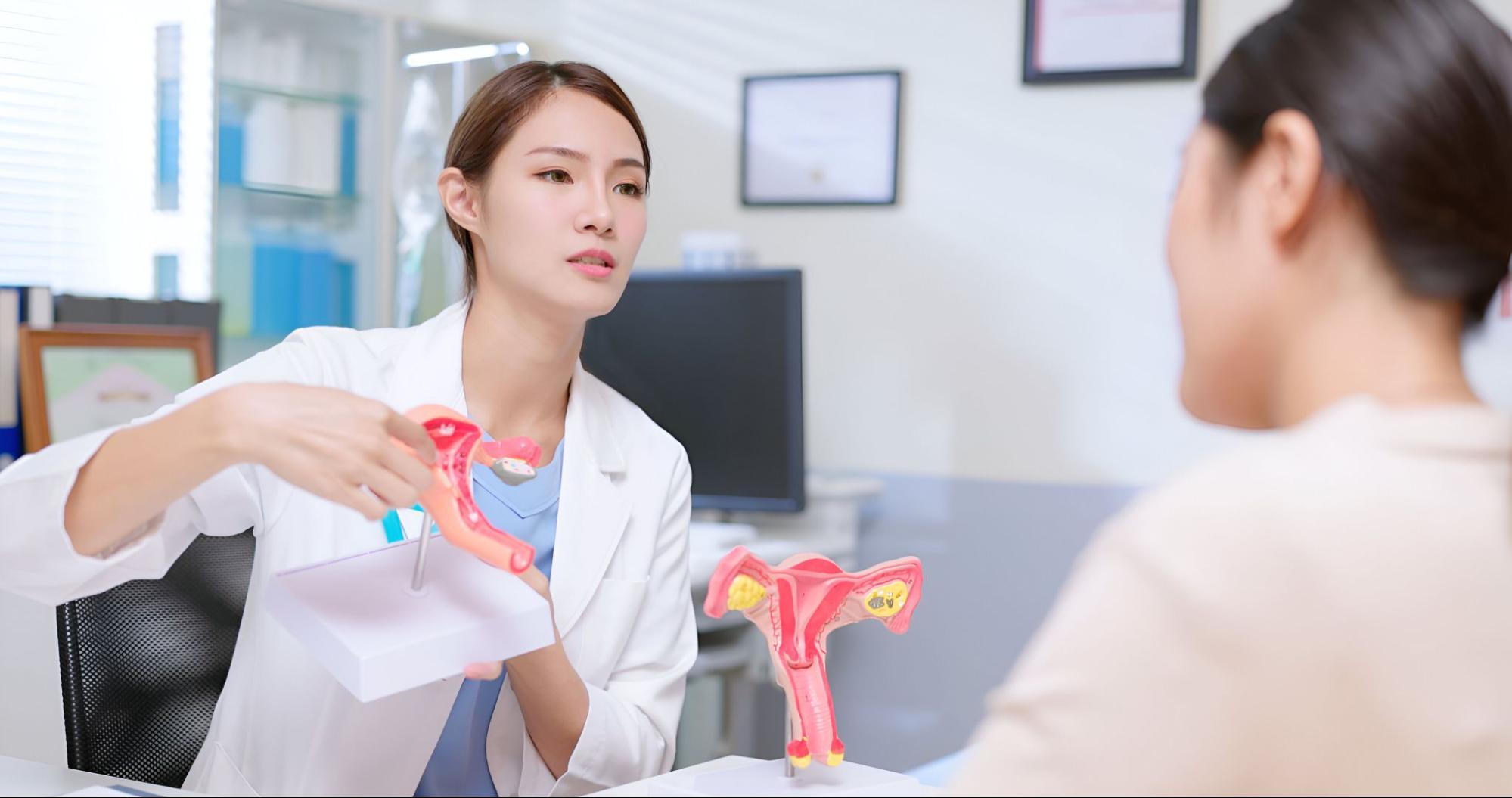
The ICSI (Intracytoplasmic Sperm Injection) procedure consists of six main steps. Each step is important and must be carried out carefully to maximise the chances of fertilisation and pregnancy.
Step 1: Consultation with a Fertility Specialist
Before starting ICSI, couples should consult a fertility specialist to discuss and plan their treatment. Previous medical records and test results should be brought to the consultation so that the doctor can develop the most appropriate treatment plan based on each individual's condition.
Step 2: Ovarian Stimulation
Hormonal injections are started on Day 2 of the menstrual cycle to stimulate the ovaries to produce multiple eggs. The medication dosage is adjusted according to each patient's condition. This process usually takes 8–12 days, during which the doctor monitors follicle development through ultrasound examinations and periodic hormone testing.
Step 3: Egg Retrieval and Sperm Collection
Once the follicles have reached the appropriate size (18–22 mm), a trigger injection is administered to mature the eggs. Egg retrieval is then performed using a needle inserted through the vaginal wall under general anaesthesia or local anaesthesia with sedation. The procedure usually takes 20–30 minutes. The male partner provides a semen sample on the same day.
Step 4: ICSI and Embryo Culture
An embryologist selects the healthiest sperm from the semen sample. Using the ICSI technique, a single sperm is picked up with a fine needle and injected directly into each mature egg. After successful fertilisation, the embryos are cultured in the laboratory until they develop to the blastocyst stage (Day 5–6).
Step 5: Embryo Transfer
Once good-quality embryos are available, the doctor will inform the couple about the number and quality of the embryos and discuss how many embryos should be transferred. Before the procedure, the female partner receives medication to prepare the uterine lining for implantation. The embryo transfer is performed through the vagina and does not require anaesthesia.
Step 6: Follow-up
After embryo transfer, hormone levels are monitored every 2–3 days. If any abnormalities are detected, medication may be adjusted to improve the chances of success. A pregnancy test can usually be performed approximately 14 days after embryo transfer.
Frequently Asked Questions About ICSI
- How Long Does the ICSI Process Take?
In general, the entire ICSI process takes approximately 2–3 weeks, from the initial medical examination, ovarian stimulation, egg retrieval, and fertilisation, through to embryo transfer into the uterus. The ICSI procedure requires precision and close monitoring by the medical team throughout each stage of treatment.
- What Is the Success Rate of ICSI?
The success rate of ICSI is approximately 50–80%, depending on individual factors such as the woman's age and the quality of both the eggs and sperm. Although ICSI is a highly precise technique, it also has certain limitations and potential disadvantages, including emotional stress and the complexity of the treatment process, which requires both time and financial commitment.
- Where Should I Have ICSI Treatment?
If you are wondering where to undergo ICSI treatment, it is recommended to choose a fertility centre with reproductive medicine specialists and a laboratory that meets recognised standards. Beyond IVF Fertility Center specialises in ICSI treatment and provides comprehensive care through experienced fertility specialists, advanced reproductive technology, and personalised consultation for couples experiencing infertility.
ICSI: An Advanced IVF Technique with High Success Rates for Treating Infertility
ICSI is an assisted reproductive technology developed from conventional IVF to improve fertilisation and increase the chances of a successful pregnancy, particularly in cases involving male-factor infertility. Clinical data show that ICSI can achieve pregnancy success rates of 60–70% in appropriately selected patients.
If you are considering ICSI treatment, Beyond IVF Fertility Center provides a comprehensive and systematic approach to infertility assessment. Our specialists in reproductive medicine and infertility perform an in-depth evaluation, including a review of your medical history, physical examination, laboratory investigations, and assessment of individual risk factors, allowing us to develop a personalised treatment plan for each couple.
For more information about family planning and fertility treatment, please contact us.
- Line : @beyondivf
- Facebook : www.facebook.com/beyondivf