Today, many couples experience infertility and struggle to conceive despite trying for months or even years. Fortunately, advances in reproductive medicine have made it possible for many of these couples to achieve their dream of having a child through In Vitro Fertilisation (IVF), one of the most effective assisted reproductive technologies available.
IVF helps improve the chances of pregnancy by fertilising an egg with sperm in a specialised laboratory before transferring the resulting embryo into the uterus. This treatment has helped millions of couples worldwide overcome infertility and build their families.
In this article, you'll learn what IVF is, who it is suitable for, how the treatment process works, how to prepare before starting treatment, and the factors that influence success rates. We'll also answer some of the most common questions about IVF to help you make an informed decision with confidence.
Table of Contents
- What Is IVF (In Vitro Fertilisation)?
- Who Is a Good Candidate for IVF?
- How Should You Prepare Before Starting IVF?
- Step-by-Step IVF Treatment Process
- How to Care for Yourself After Embryo Transfer to Maximise Your Chances of Pregnancy
- What Factors Affect IVF Success Rates?
- Frequently Asked Questions About IVF
- IVF: Helping Couples Overcome Infertility and Achieve Their Dream of Parenthood
What Is IVF (In Vitro Fertilisation)?
In Vitro Fertilisation (IVF) is an advanced assisted reproductive technology (ART) designed to help couples overcome infertility. During IVF, eggs are retrieved from the female partner and combined with sperm from the male partner in a carefully controlled laboratory environment, allowing fertilisation to occur outside the body.
Once fertilisation is successful, the resulting embryos are cultured in the laboratory until they reach the blastocyst stage(typically Day 5 or Day 6). A healthy embryo is then transferred into the uterus, where it can implant and develop into a pregnancy.
Depending on the patient's treatment plan, the embryo may be transferred during the same treatment cycle (fresh embryo transfer) or cryopreserved (frozen embryo) for transfer in a later cycle when the uterus is optimally prepared. Frozen embryo transfer has become a widely used option and offers flexibility in planning treatment while maintaining excellent pregnancy outcomes.
Interested in learning about GIFT (Gamete Intrafallopian Transfer)—one of the earliest assisted reproductive technologies that paved the way for modern IVF?
Read more here : What is GIFT (Gamete Intrafallopian Transfer)? What are the steps involved? How is it different from In Vitro Fertilization (IVF)?
Who Is a Good Candidate for IVF?

IVF is recommended for individuals and couples experiencing infertility caused by a variety of female or male reproductive health conditions. It may be an appropriate treatment option for:
- Women aged 35 years or older, when both egg quantity and egg quality naturally begin to decline.
- Women with ovulation disorders or irregular menstrual cycles caused by hormonal imbalance.
- Women with blocked fallopian tubes.
- Women diagnosed with endometriosis.
- Women with uterine fibroids that may interfere with fertility.
- Women with thickened egg shells (zona pellucida abnormalities) that may affect fertilisation.
- Men with low sperm count, poor sperm motility, or poor sperm quality.
- Men who have previously undergone a vasectomy but wish to have children again.
- Individuals or couples with known genetic disorders or an increased risk of passing on inherited conditions, who may benefit from IVF combined with genetic testing.
- Individuals or couples who wish to conceive using assisted reproductive technology rather than natural conception.
- Couples diagnosed with unexplained infertility, where pregnancy has not occurred despite normal fertility test results.
A fertility specialist will assess your medical history, reproductive health, age, and fertility goals to determine whether IVF is the most suitable treatment option for your individual circumstances.
How Should You Prepare Before Starting IVF?
How to Prepare Before Starting IVF Treatment
Before beginning IVF treatment, both partners will undergo a comprehensive fertility assessment to determine whether IVF is the most appropriate treatment option.
Female Fertility Evaluation
The female partner may undergo the following examinations:
- Pelvic examination
- Transvaginal ultrasound
- Hysteroscopy (if indicated)
- Blood and urine tests
These assessments help evaluate the reproductive organs, identify any structural abnormalities, assess hormone levels, and screen for genetic conditions, sexually transmitted infections (STIs), and other medical conditions that may affect fertility or pregnancy.
Male Fertility Evaluation
The male partner will typically undergo:
- Semen analysis
- Blood and urine tests
Additional screening may include tests for genetic conditions, sexually transmitted infections (STIs), and other health conditions that could affect fertility or fertilisation.
Preparing Your Body for IVF
Once the fertility evaluation is complete and your fertility specialist confirms that IVF is appropriate, the female partner will usually be advised to begin taking folic acid supplements before pregnancy to support early fetal development and reduce the risk of neural tube defects.
Both partners are also encouraged to optimise their health before starting treatment by:
- Getting adequate sleep each night.
- Stopping smoking and avoiding alcohol.
- Maintaining a healthy body weight.
- Exercising regularly with moderate-intensity activities.
- Eating a balanced, nutritious diet.
- Abstaining from ejaculation for approximately 2–5 days before providing a semen sample for IVF, unless your fertility specialist advises otherwise, to help optimise sperm quality for collection.
Step-by-Step IVF Treatment Process
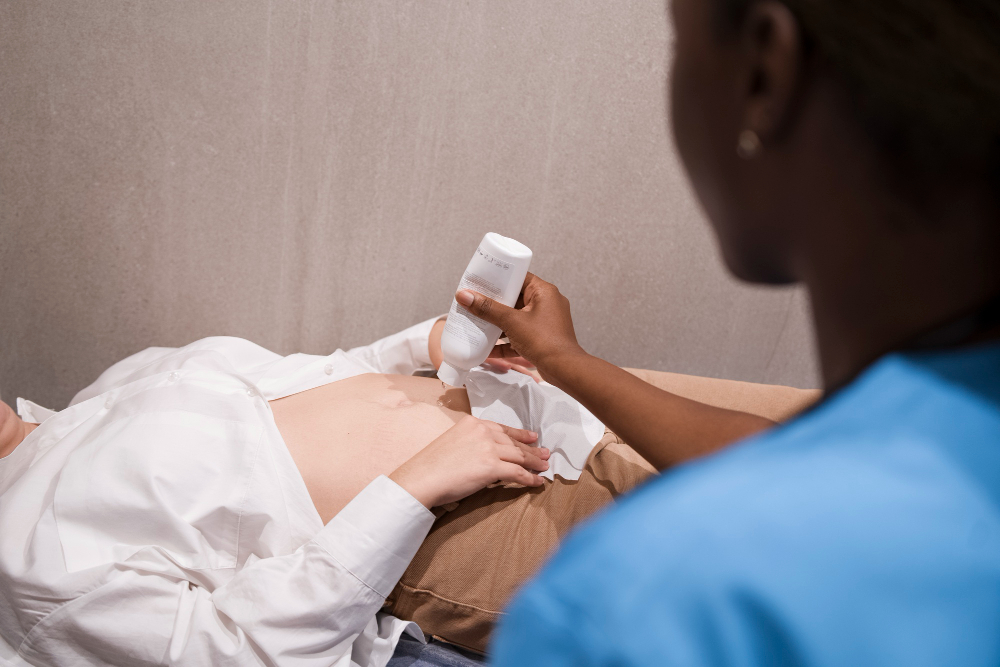
IVF treatment consists of several carefully planned stages, each designed to maximise the chances of successful fertilisation and pregnancy.
1. Ovarian Stimulation
Because IVF requires multiple mature eggs, ovarian stimulation is the first step of treatment.
Fertility medications are typically started on Day 2 or Day 3 of the menstrual cycle and continued for approximately 10–12 days. During this period, your fertility specialist will closely monitor follicle development through ultrasound examinations and, when necessary, blood tests to evaluate hormone levels.
Once the follicles have reached the appropriate size, a trigger injection is administered to complete egg maturation. Egg retrieval is then scheduled approximately 36 hours later.
2. Egg Retrieval
When the eggs are fully mature, they are collected during a minimally invasive procedure known as egg retrieval.
Using ultrasound guidance, the fertility specialist inserts a fine needle through the vaginal wall to gently aspirate the mature eggs from the ovaries. The procedure is performed under sedation or light anaesthesia, allowing the patient to sleep comfortably, and typically takes 20–30 minutes.
The collected eggs are immediately transferred to the embryology laboratory, where they are placed in specialised culture media in preparation for fertilisation.
3. Sperm Collection
On the same day as egg retrieval, the male partner provides a semen sample in a sterile collection container.
The embryology laboratory then performs sperm preparation (sperm washing) to isolate the healthiest and most motile sperm for fertilisation.
4. Fertilisation
After both eggs and sperm have been prepared, fertilisation takes place in the laboratory.
In conventional IVF, selected sperm and mature eggs are placed together in a specialised culture dish, allowing fertilisation to occur naturally. The embryos are then examined to confirm successful fertilisation.
Depending on the couple's fertility diagnosis, ICSI (Intracytoplasmic Sperm Injection) may be recommended instead. In this procedure, a single healthy sperm is injected directly into each mature egg to improve the likelihood of fertilisation, particularly in cases of male-factor infertility.
5. Embryo Culture
Successfully fertilised eggs develop into embryos and are cultured in advanced incubators that closely replicate the conditions of the human reproductive system.
The embryos continue to develop in the laboratory until they reach the blastocyst stage (typically Day 5 or Day 6), when they are more likely to implant successfully within the uterus.
6. Embryo Transfer
A healthy blastocyst is carefully transferred into the uterus using a soft, thin catheter inserted through the cervix.
The procedure is performed under ultrasound guidance to ensure optimal placement of the embryo within the uterine cavity, maximising the chances of implantation and pregnancy. Embryo transfer is generally quick, requires no anaesthesia, and most patients can return home shortly afterwards.
Frozen Embryo Transfer (FET)
If multiple high-quality embryos are created during an IVF cycle, the additional embryos can be cryopreserved (frozen)for future use.
Frozen embryos can remain safely stored for many years and may be used in future treatment cycles without requiring another round of ovarian stimulation or egg retrieval.
For many patients, Frozen Embryo Transfer (FET) offers excellent pregnancy outcomes. Because the uterus is not exposed to the high hormone levels associated with ovarian stimulation, the endometrial lining may develop under more natural conditions, creating a more favourable environment for embryo implantation. Your fertility specialist will recommend the most appropriate approach—fresh or frozen embryo transfer—based on your individual medical circumstances.
How to Care for Yourself After Embryo Transfer to Maximise Your Chances of Pregnancy
After embryo transfer, following your fertility specialist's instructions is essential to support embryo implantation and maximise your chances of achieving a successful pregnancy.
Although most patients can return to their normal daily routine, certain precautions are recommended during the early stages after embryo transfer.
- Avoid sexual intercourse and vaginal douching for the first 14 days following embryo transfer, or until your fertility specialist advises otherwise.
- Avoid activities that place excessive strain on your abdomen, including heavy lifting, high-impact exercise, and other strenuous physical activities.
- Take all prescribed medications exactly as directed. Do not start or stop any medication, including over-the-counter medicines or supplements, without consulting your fertility specialist.
- Eat a healthy, well-balanced diet and stay well hydrated. Preventing constipation and severe diarrhoea may help reduce unnecessary abdominal straining.
- Contact your fertility clinic immediately if you experience unusual symptoms such as severe abdominal pain, heavy vaginal bleeding, fever, difficulty breathing, or any other concerning symptoms.
Careful self-care during the two-week waiting period can help create the best possible environment for embryo implantation. If you have any questions or concerns during your recovery, do not hesitate to contact your fertility care team for guidance.
What Factors Affect IVF Success Rates?

The success of IVF treatment depends on several factors. Understanding these factors can help couples set realistic expectations and work with their fertility specialist to optimise treatment outcomes.
Female Age
A woman's age is one of the most important factors influencing IVF success. As women get older, both the quantity and quality of their eggs naturally decline, reducing the chances of fertilisation, healthy embryo development, implantation, and pregnancy.
Sperm Quality
Healthy sperm are essential for successful fertilisation. Factors such as low sperm count, poor sperm motility, or abnormal sperm morphology can reduce the likelihood of fertilisation and may affect embryo development.
Egg Quality
The quality of the eggs plays a critical role in IVF success. Poor egg quality or abnormalities such as a thickened zona pellucida (egg shell) may make fertilisation more difficult. Egg quality also influences embryo development and the likelihood of implantation.
Overall Health of Both Partners
The general health of both partners can significantly impact fertility treatment outcomes. Medical conditions, hormonal disorders, body weight, lifestyle habits, smoking, alcohol consumption, nutrition, stress, and underlying reproductive disorders may all influence the chances of achieving a successful pregnancy.
A comprehensive fertility assessment and personalised treatment plan can help identify and address these factors, giving couples the best possible chance of success with IVF.
Frequently Asked Questions About IVF
- Are There Any Risks or Complications Associated with IVF?
Like any medical procedure, IVF carries some potential risks and complications, although serious complications are uncommon.
Possible risks include:
- Ovarian Hyperstimulation Syndrome (OHSS), which can occur as a result of fertility medications.
- Infection following egg retrieval (rare).
- Bleeding or injury related to the egg retrieval procedure (rare).
- Ectopic pregnancy, where the embryo implants outside the uterus.
- Multiple pregnancy, depending on the number of embryos transferred.
After embryo transfer, some women may also experience mild, temporary symptoms such as:
- Mild abdominal cramping
- Bloating
- Nausea
- Breast tenderness
- Light spotting
Most of these symptoms are temporary and resolve without treatment. However, if you experience severe pain, heavy bleeding, difficulty breathing, or other concerning symptoms, contact your fertility specialist immediately.
- What Is the Difference Between IVF and ICSI?
Both IVF (In Vitro Fertilisation) and ICSI (Intracytoplasmic Sperm Injection) are assisted reproductive technologies used to treat infertility, but they differ in how fertilisation occurs.
In conventional IVF, prepared sperm and mature eggs are placed together in a laboratory culture dish, allowing fertilisation to occur naturally.
In ICSI, an embryologist carefully selects a single healthy sperm and injects it directly into a mature egg using specialised microscopic equipment. ICSI is commonly recommended for couples with male-factor infertility, previous fertilisation failure, or certain other fertility conditions.
Your fertility specialist will recommend the most appropriate technique based on your individual fertility assessment.
- How Do I Choose the Right IVF Clinic?
Choosing the right fertility clinic is an important step in your fertility journey.
When selecting an IVF clinic, consider the following factors:
- Experienced reproductive medicine specialists and embryologists.
- Modern laboratory facilities and advanced fertility technology.
- High standards of quality, safety, and infection control.
- Transparent treatment plans and personalised patient care.
- Comprehensive support throughout every stage of your fertility journey.
A trusted fertility clinic should not only provide advanced medical treatment but also offer compassionate care, clear communication, and personalised guidance to help you make informed decisions with confidence.
IVF: Helping Couples Overcome Infertility and Achieve Their Dream of Parenthood
Planning for pregnancy early can significantly improve your chances of conceiving. However, if you are experiencing infertility, there is no need to lose hope. Thanks to advances in assisted reproductive technology, many couples are now able to achieve successful pregnancies through treatments such as In Vitro Fertilisation (IVF).
Whether infertility is related to age, an underlying medical condition, or an unexplained cause, IVF offers an effective treatment option that can greatly improve the chances of building a family.
If you would like to learn more about IVF treatment or discuss your fertility options with a specialist, the team at Beyond IVF is here to help. Contact us today to schedule a consultation and receive a personalised treatment plan tailored to your needs.
- Line : @beyondivf
- Facebook : www.facebook.com/beyondivf